
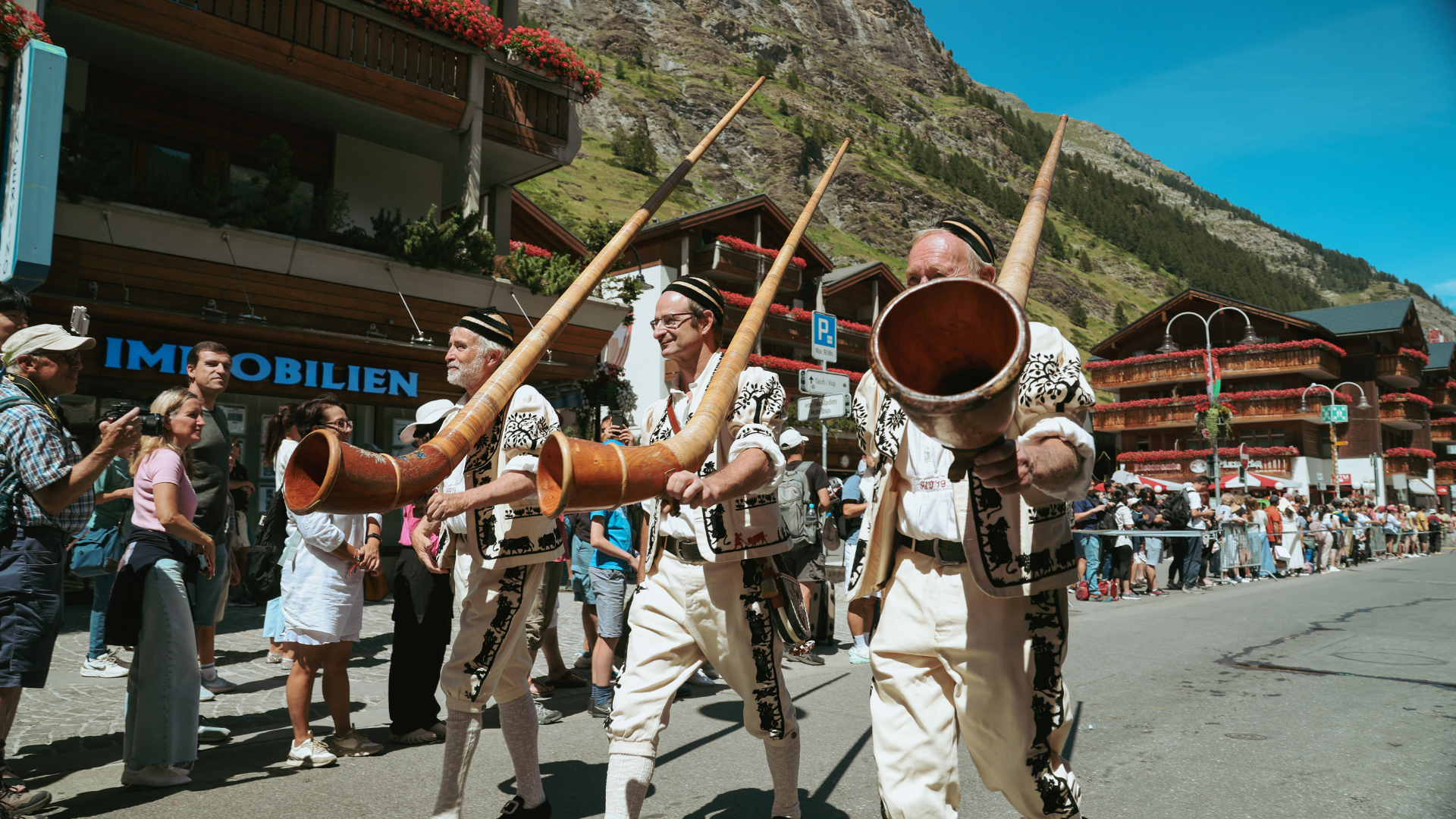
Culturally immersive travel offers individuals a unique opportunity to engage with the heart and soul of a destination. To plan an enriching experience, travelers should prioritize authentic interactions, local customs, and meaningful cultural experiences. This type of travel goes beyond typical tourist attractions, allowing for deeper connections with local communities.
By focusing on local traditions, cuisine, and way of life, travelers can gain invaluable insights that enhance their understanding of the world. Engaging with local guides, participating in traditional workshops, and exploring hidden gems is essential for an immersive experience. These elements transform a trip into a powerful cultural journey.
Approaching travel with a mindset of curiosity and respect creates avenues for genuine connections and memorable experiences. Immersive travel is more than just visiting a place; it is about becoming a part of it, if only for a moment.
Foundations of Culturally Immersive Travel
Culturally immersive travel involves engaging deeply with local cultures and communities to foster genuine understanding and connections. This approach enhances global perspective and promotes cultural awareness, benefiting both travelers and host communities.
What Is Cultural Immersion?
Cultural immersion is the process of fully engaging with a culture, experiencing daily life in a community, and building connections with its people. Travelers often participate in local traditions, culinary practices, and daily routines. This experience goes beyond sightseeing. It encourages exploration of cultural nuances, values, and social structures.
Through activities like cooking classes, language lessons, or community events, travelers gain firsthand insights into the culture. These experiences foster a deeper appreciation for diversity and promote meaningful interactions.
Benefits of Immersive Travel Experiences
Culturally immersive travel offers numerous benefits. It enhances cultural understanding by providing a first-hand look at different ways of life. Travelers develop a greater sense of empathy, often leading to lasting friendships with locals.
Additionally, immersive experiences can help reduce culture shock. Engaging with residents allows travelers to acclimate to new environments more easily. This proactive approach helps to mitigate misunderstandings and fosters respect for local customs.
Lastly, travelers often return home with enriched perspectives. This broadened worldview can inspire positive changes in their own communities.
Principles of Respect and Cultural Sensitivity
When engaging in culturally immersive travel, principles of respect and cultural sensitivity are paramount. Understanding and honoring local customs, traditions, and beliefs are essential.
Travelers should be aware of cultural norms and adhere to them. This includes attitudes toward dress, behavior, and communication styles. Expressing genuine interest in learning from the local community fosters goodwill.
Additionally, open-mindedness is critical. Embracing differences can lead to valuable exchanges. Missteps, when approached with humility and a willingness to learn, can also strengthen relationships.
Incorporating these principles enhances experiences and creates a more positive impact on both travelers and host communities.
Strategic Planning for Cultural Immersion
Successful cultural immersion requires thoughtful planning. Key aspects include researching local customs, learning the language, selecting appropriate destinations, and timing visits to coincide with significant cultural events.
Researching Local Culture and Customs
Understanding local customs is crucial for meaningful interactions. She or he should explore etiquette norms, traditional dress, and dining practices. This knowledge fosters respect and connectivity with locals.
Utilizing travel guides and online resources can offer insights into cultural specifics. Engaging with local communities through forums or social media platforms may unveil hidden gems and authentic experiences. Learning about cultural heritage, such as festivals and traditions unique to the region, enriches the travel experience.
Involving oneself in local customs, like participating in ceremonies or workshops, allows for deeper engagement. This not only enhances the traveler’s experience but also supports sustainable tourism by promoting and preserving local heritage.
Learning the Local Language
Language serves as a bridge to cultural immersion. Proficiency in the local language enhances communication and fosters genuine connections. Utilizing platforms like Duolingo or language learning apps can provide structured learning pathways.
Travelers should focus on practical phrases relevant to daily interactions, such as greetings, ordering food, and asking for directions. Practice with native speakers or language exchange partners can further boost confidence.
In addition to verbal skills, understanding non-verbal communication is critical. She or he should pay attention to body language and gestures to avoid misinterpretations. This commitment to learning demonstrates respect and opens doors to new relationships and experiences.
Choosing Immersive Destinations and Accommodations
Selecting the right destinations plays a significant role in cultural exposure. Travelers should prioritize places rich in history and cultural landmarks. India, with its diverse heritage, offers countless opportunities to explore religious sites and historical monuments.
Accommodations also impact immersion. Options like homestays, guesthouses, and platforms such as Airbnb or Couchsurfing provide authentic experiences. Staying with locals enables meaningful interactions and insights into daily life that conventional hotels may not offer.
It’s beneficial to consider sustainable tourism practices when choosing accommodations. Supporting eco-friendly lodgings contributes to preserving local culture and the environment. This increases the traveler’s positive impact on the destination.
Timing Your Visit for Local Festivals and Events
Attending local festivals and events significantly enhances cultural immersion. Festivals often showcase traditional music, dance, and cuisine, providing a vibrant perspective on local life. Researching the timing of these events well in advance helps travelers plan accordingly.
Significant cultural festivals, like Durga Puja in India or Obon in Japan, offer firsthand experiences of rich traditions. Travelers should check local calendars and tourism websites for details on upcoming activities.
Participating in local events opens the door to interacting with residents. Offering help during festival preparations or joining in celebrations fosters deeper connections. Such experiences create lasting memories and illustrate the region’s cultural significance in a personal context.
Engaging Deeply with Local Communities
Engaging with local communities offers travelers a chance to experience authentic culture and traditions. It fosters meaningful connections and promotes cultural exchange.
Participating in Local Activities and Workshops
Travelers can immerse themselves in local culture by joining workshops and activities led by community members. Options often include traditional crafting, music, and dance sessions where locals share their skills.
Examples of Workshops:
- Pottery classes showcase local techniques.
- Textile workshops featuring regional patterns.
These activities allow participants to understand the significance of local traditions. Engaging with materials and methods often used for generations fosters respect and appreciation for the culture.
Connecting Through Food and Market Experiences
Exploring local food opens a window into a community’s culture. Visiting local markets allows travelers to interact with vendors and learn about regional ingredients.
Key Experiences:
- Attending cooking classes that teach traditional recipes.
- Sampling street food, which often reflects local flavors and culinary heritage.
Understanding local cuisine establishes a deeper connection to the culture. Sharing meals with locals can enhance this experience, creating opportunities for cultural exchange and conversation.
Volunteering and Community Involvement
Volunteering offers a unique way to engage with local communities. Travelers can participate in community projects that support social or environmental initiatives, helping to build positive relationships and provide tangible benefits.
Volunteer Opportunities:
- Working with local businesses and artisans.
- Supporting educational programs or conservation efforts.
These experiences promote understanding and empathy while making a difference in the community. Engaging in such initiatives often enriches the travel experience, leading to lasting connections and insights.
Maximizing Your Immersive Experience
To fully engage with a destination, travelers should utilize local transportation, seek out hidden gems, and document their experiences. These strategies enhance cultural connections and deepen engagement with the environment.
Navigating Local Transportation
Public transportation can be a key resource for gaining a genuine feel for a place. Utilizing buses, subways, or trams introduces travelers to daily life, allowing them to interact with locals. Understanding local transport schedules can increase convenience.
Travelers might consider acquiring a transport pass for extensive use at a lower cost. Apps that provide real-time information can improve navigation. Language proficiency or translation apps may further assist in communication, enhancing local cultural interactions.
Finding Hidden Gems and Supporting Local Art
Hidden gems often lie off the beaten path. They might include small cafes, shops, or markets, where travelers can experience authentic local cuisine and crafts. Engaging with local art can lead to a deeper appreciation of cultural nuances.
Supporting local artists through purchases or participation in workshops enriches the travel experience. Being open to spontaneity can reveal unexpected delights. Travelers should consider keeping a list of recommended places shared by locals or fellow travelers.
Documenting and Reflecting on Your Journey
Travel writing and journaling become vital tools in preserving memories. By regularly documenting experiences, insights, and emotions, travelers cement their cultural engagement. Reflective writing can deepen understanding of oneself and the visited culture.
Incorporating photography or sketches into journaling can enrich the experience. Capturing moments through various media provides a multidimensional perspective of the journey. This practice also enables a traveler to reconnect with their experiences long after returning home.