
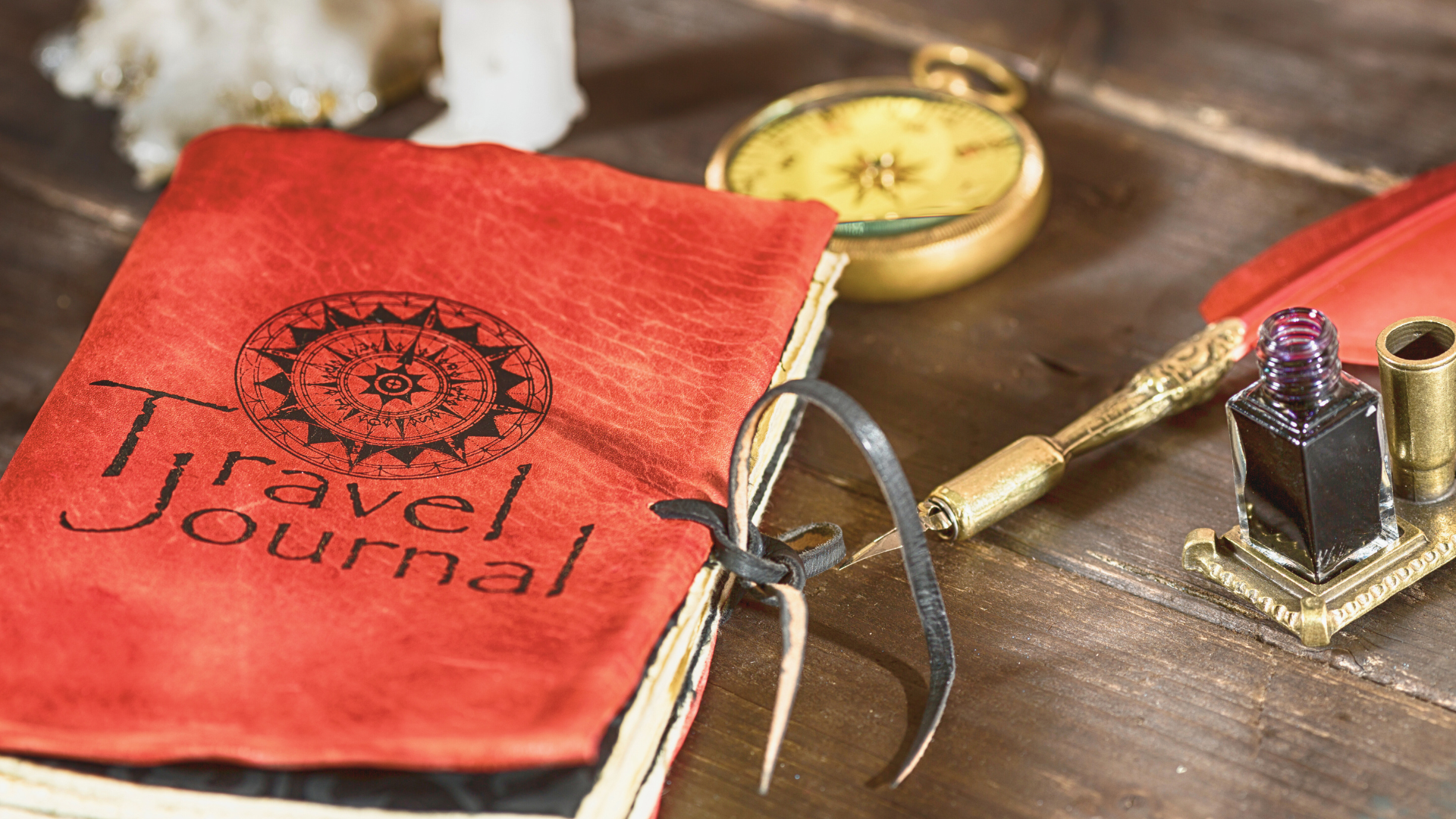
Travel journaling is a powerful way to capture experiences, emotions, and adventures while on the go. The best travel journaling tips help create engaging narratives that bring memories to life long after the journey ends. Whether he/she is an experienced traveler or just starting, these insights can enhance the storytelling aspect of journaling.
Writing about a trip does more than document events; it allows for reflection and personal growth. He/she can cultivate a creative space that combines details, thoughts, and feelings, making it easier to share stories with others. By adopting effective journaling techniques, travelers can ensure that their tales resonate with readers and evoke the essence of their experiences.
Learning how to use vivid descriptions, simple sketches, or even snippets of dialogue can enrich the storytelling process. With the right tools and strategies, he/she can transform a basic travel journal into a captivating account that not only preserves memories but also sparks conversations and inspires future adventures.
Foundations of Effective Travel Journaling
Effective travel journaling begins with the right tools and a clear mindset. By choosing the appropriate journal and establishing a consistent habit, travelers can capture their adventures meaningfully.
Choosing the Right Journal and Tools
Selecting the perfect travel journal is crucial for documenting experiences. Travelers often prefer journals that are portable, durable, and suited to their writing style. Options include:
- Notebook style: Traditional bound journals offer flexibility for writing and sketching.
- Travel-specific journals: These often feature prompts and sections for organization.
- Digital apps: For those who prefer typing, various apps allow for multimedia entries.
Travelers should consider factors like paper quality, size, and usability. A pen that flows smoothly can enhance the writing experience. Some may even opt for colored pencils or markers to add visual elements.
Setting Intentions and Storytelling Goals
Before embarking on a journey, setting intentions can guide the journaling process. Travelers should reflect on what they want to capture. This could include:
- Emotions experienced: Documenting feelings can provide depth to a narrative.
- Cultural observations: Pay attention to different customs and practices.
- Personal growth: Reflect on how experiences impact perspectives.
Establishing clear goals aids in creating structured entries. Whether focusing on daily highlights or themes, intentions foster storytelling that resonates. It’s beneficial for writers to remind themselves of these goals throughout their adventures.
Establishing a Journaling Habit On the Road
Incorporating journaling into daily routines enhances the experience. Travelers can set aside specific times for writing, whether in the morning or before bed. Short, focused sessions yield better entries.
Creating cues can help prompt this practice. Placing the journal in a visible spot or establishing rituals, like a morning coffee routine with writing, encourages consistency.
Travelers may also consider setting mini-goals, such as daily word counts or topics to explore. Regular reflection reinforces the habit and enriches the storytelling process.
Capturing Meaningful Travel Experiences on the Go
Recording valuable travel moments enhances one’s journey. Focusing on daily highlights, cultural insights, and personal reflections allows for a richer storytelling experience.
Documenting Daily Highlights and Authentic Moments
To effectively capture daily highlights, individuals should set aside time each day for journaling. Writing in the morning or evening can help solidify memories before they fade.
Using bullet points can streamline this process, allowing travelers to note key experiences quickly:
- New sights and sounds
- Local interactions
- Unique meals enjoyed
Incorporating sketches or photographs can enhance these entries, providing visual context. Observing and noting the emotions connected to moments creates depth, making the writing more relatable and vivid.
Incorporating Cultural Insights and Local Flavors
Cultural insights are pivotal for enriching travel journals. Travelers should pay attention to local customs, festivals, and languages. Journaling these observations can illuminate differences and similarities between cultures.
Noting local flavors is equally important. Describing distinctive dishes, ingredients, and cooking methods adds richness to the narrative. This practice encourages mindfulness and appreciation for the culinary landscape.
Including quotes from locals or short anecdotes can also offer authenticity to the experience. Understanding perspectives on daily life in other cultures broadens one’s worldview and fosters a deeper connection to the place visited.
Reflecting on Personal Growth and Emotions
Travel often prompts introspection. Individuals should reflect on experiences that led to personal growth, challenges faced, and the emotions encountered along the journey.
Writing about feelings, whether joy, frustration, or awe, adds a personal touch to the narrative.
Entries can include:
- Lessons learned from interactions
- Insights gained from overcoming obstacles
- Moments of gratitude or inspiration
These reflections not only enrich personal journals but also provide a source of motivation and insight for future travels. Engaging with emotions contributes to a holistic travel experience, making storytelling more impactful.
Creative Techniques to Enrich Your Travel Narrative
Incorporating creative techniques can significantly enhance the storytelling aspect of travel journaling. Focusing on sensory details, keeping mementos, and introducing prompts can create a rich tapestry of travel memories.
Using Sensory Details and Visual Elements
Engaging the senses can elevate a travel narrative. Writers should describe not only what they see but also the sounds, smells, and textures encountered while exploring new places. For example, instead of saying, “The market was busy,” one could illustrate the ambiance by writing, “The vibrant colors of fresh fruits and spices mixed with the cacophony of vendor calls filled the air.”
Visual elements, such as photographs or drawings, can also complement written descriptions. Including visuals helps convey feelings and atmospheres that words alone might miss. Even simple sketches or doodles can evoke memories and provide context to the narrative.
Building Your Travel Scrapbook with Keepsakes
A travel scrapbook serves as a tangible extension of the travel narrative. It captures memories through collected keepsakes like tickets, postcards, and local maps. Each item represents a story, allowing travelers to revisit experiences with greater depth.
Organizing a scrapbook can involve thematic sections or chronological order to showcase the journey effectively. Travelers may include captions next to each keepsake, summarizing the event’s significance. This combination of visuals and personal reflections enhances the storytelling process, creating a layered travel narrative.
Leveraging Prompts and Sketches for Deeper Stories
Using writing prompts can help unlock deeper narratives and insights during travel. They encourage reflection on experiences and can guide travelers to explore thoughts they might overlook otherwise. Simple prompts such as “What surprised me today?” or “What did I learn from a conversation with a local?” can guide reflections.
Additionally, incorporating sketches related to these prompts can enrich the narrative further. Drawing an unexpected scene or person met along the journey deepens the emotional connection to the experience. This approach fosters a more engaged reflection on travel memories, transforming them into lasting stories.
Preserving and Sharing Your Journaling Legacy
Keeping travel memories alive requires effective organization and creative transformation of journals. By focusing on revisiting past entries and turning them into lasting mementos, a traveler can enrich their storytelling.
Organizing and Revisiting Past Journals
Travelers should establish a system to organize their journals for easy access. They can consider using binders, boxes, or digital storage methods to keep journals by location, date, or theme.
Regularly revisiting these journals helps individuals rediscover memories and insights. It can also inspire future travels. Creating a timeline of experiences can serve as a visual guide. This timeline allows travelers to see the evolution of their journeys in one glance.
Transforming Journals into Lasting Mementos
Turning journals into keepsakes can create a tangible reminder of travel experiences. One option is to digitally scan pages and create a photo book. This method offers a polished, compact version of one’s travels.
Travelers might also consider scrapbooking. Incorporating photographs, ticket stubs, and personal notes enhances the narrative. Each memento added to the scrapbook can vivify the memories. Another creative approach is to share entries on social media or blogs, inviting friends and family to engage with those experiences.