
Travel photography goes beyond simply capturing beautiful landscapes or iconic landmarks. It’s about weaving a narrative that transports the viewer to the place and moment captured. To take travel photos that tell a story, one must focus on composition, context, and emotion in each shot.
Every photograph has the potential to convey a feeling or message. By including elements that reveal the culture, interactions of locals, or the environment, a photographer can create a deeper connection with their audience. Attention to detail and thoughtful framing can significantly enhance the storytelling aspect of travel images.
Incorporating personal experiences or unique perspectives can enrich the narrative. Photographers who aim to share not just what they see, but also how they feel, will find their images resonate more effectively. Capturing the essence of a place through storytelling transforms mere snapshots into compelling visual narratives.
Understanding Storytelling in Travel Photography
The essence of travel photography lies in its ability to convey narratives through images. Capturing not just places, but emotions and experiences, transforms a simple photo into a story. This section examines the elements that contribute to storytelling in travel photography.
What Makes a Travel Photo Tell a Story
A compelling travel photo integrates context, emotion, and action. Context helps viewers understand the location. This can include elements like architecture, landscapes, or cultural artifacts.
Emotion often stems from the subjects in the photo. A genuine expression can evoke empathy or curiosity.
Action adds dynamic energy, portraying moments in motion. This might be a bustling market scene or a tranquil sunset. Together, these elements encourage viewers to engage with the narrative behind the photo.
The Role of Narrative in Visual Storytelling
Narrative shapes the meaning behind an image, guiding the viewer’s interpretation. Each image should communicate a clear storyline. This can be achieved through composition, focal points, and lighting.
For instance, placing a subject off-center can create tension or interest. Good lighting can enhance mood, whether it’s soft and inviting or harsh and dramatic. By aligning these visual elements with a chosen narrative, the photographer creates a rich, engaging story.
Each travel photo becomes a chapter in a broader narrative. This continuity invites the viewer to explore further and connect with diverse experiences across the world.
Establishing a Central Theme or Message
Every series of travel photos benefits from a central theme, be it adventure, cultural exploration, or human connection. A consistent theme unifies the images, giving readers a singular focus.
For example, documenting local street food culture can highlight culinary diversity. Including portraits of vendors alongside their dishes adds depth to the story.
The message should reflect what the photographer wishes to convey. This could be appreciation for local craft or the beauty of natural landscapes. By emphasizing a theme or message, travel photography creates resonance, prompting reflection and engagement from viewers.
Capturing the Essence of Authentic Experiences
To create travel photos that resonate, it’s essential to focus on authentic cultural experiences and meaningful moments. Engaging with local culture and the people can elevate a photo from mere documentation to a narrative that speaks volumes.
Connecting with Local Culture and People
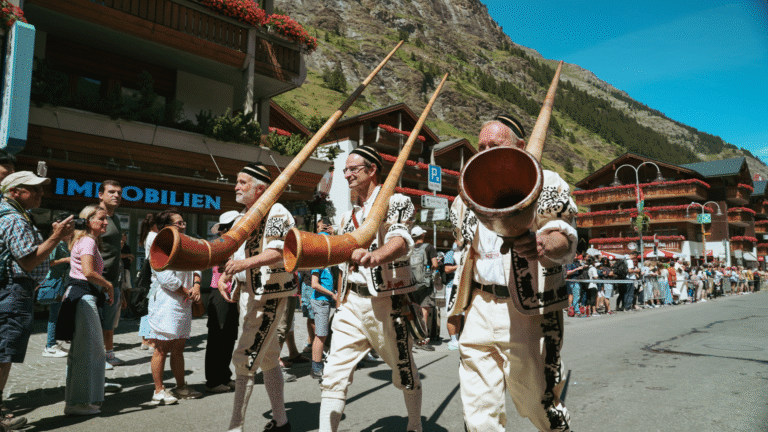
Travelers can capture the essence of their adventures by immersing themselves in local culture. This means participating in community activities, festivals, or traditional rituals. Engaging directly with locals allows photographers to capture genuine interactions.
Tips for Engagement:
- Learn Basic Phrases: Speaking the local language can enhance connections.
- Attend Local Events: Festivals or markets often showcase authentic life.
- Ask for Permissions: This fosters respect and openness when photographing individuals.
Each interaction opens doors to richer visual storytelling, highlighting cultural nuances.
Recognizing Moments of Emotion and Connection
Photography is more than just images; it’s about storytelling. Watching for moments that reveal emotion can lead to compelling photos. These might include laughter at a family gathering or solemnity during a cultural ceremony.
Key Aspects to Identify:
- Facial Expressions: Capturing genuine smiles or contemplative looks conveys emotion.
- Body Language: Observing interactions between people provides context.
- Environmental Contexts: The setting often enhances the story.
These moments resonate deeply and can connect viewers to the culture being portrayed.
Using Candid Shots to Craft Humanity-Focused Stories
Candid photography emphasizes spontaneous moments, allowing authentic stories to unfold naturally. This approach often reveals the true character of both people and places.
Strategies for Effective Candid Shots:
- Be Discreet: Using a zoom lens can help capture moments without intrusion.
- Blend In: Avoid standing out to seize natural interactions.
- Anticipate Action: Understanding the environment can help predict moments worth capturing.
These candid shots create a narrative that reflects genuine experiences, connecting viewers more intimately with the culture.
Techniques for Composing Powerful Travel Stories
Creating compelling travel photos requires a strong understanding of composition, lighting, and the relationship between people and their environment. Each technique helps in crafting images that resonate and convey a narrative.
Mastering Composition: Rule of Thirds and Framing
The Rule of Thirds is a fundamental principle in photography. It involves dividing the frame into nine equal parts with two horizontal and two vertical lines. Placing key elements along these lines or at their intersections creates balance and draws the viewer’s eye.
Framing enhances a photo by using elements within the scene to create a “frame” around the subject. This technique adds depth and context, leading viewers into the image. Natural elements like trees or architecture can serve as effective frames.
Utilizing Lighting: Golden Hour, Blue Hour, and Natural Light
Lighting is critical in photography. The Golden Hour, which occurs shortly after sunrise or before sunset, provides warm, soft light. This enhances colors and shadows, creating a magical atmosphere.
The Blue Hour follows the Golden Hour. It occurs when the sun is below the horizon, casting a cool, bluish hue. This time is perfect for capturing serene, evocative images.
Natural light can vary greatly throughout the day. Midday light can be harsh, creating unflattering shadows. Photographers should aim to shoot during softer lighting conditions for the best results.
Incorporating Leading Lines and Foreground Interest
Leading lines guide the viewer’s eye through the composition. Roads, rivers, or pathways can create a sense of depth and draw attention to the subject. Aligning these elements effectively helps build a stronger narrative within the image.
Foreground interest is equally important. Including objects in the foreground adds perspective and dimension. This technique can elevate an image from a flat representation to a more engaging story by offering context.
Balancing People and Place in Your Stories
In travel photography, the interaction between people and their surroundings can tell profound stories. Capturing people in their environment provides context. It allows the viewer to understand the culture and the essence of a place.
Subjects should be positioned thoughtfully within the frame to create harmony with the landscape. A well-composed photo includes a balance that highlights both elements without one overshadowing the other. This balance enriches the narrative and engages the audience effectively.
Editing, Sequencing, and Sharing Your Travel Photos
Successfully conveying a narrative through travel photos involves thoughtful editing, strategic sequencing, and engaging sharing methods. Each aspect plays a crucial role in enhancing the story captured in images.
Editing for Emotion with Tools Like Snapseed
Editing is vital for emphasizing the emotion behind travel photos. Snapseed is a user-friendly application that provides various editing tools to enhance images. Adjusting brightness, contrast, and saturation can highlight important details, making the photo more impactful.
Using the Selective Tool lets a photographer edit specific areas, allowing for powerful emphasis in key elements. Color grading also helps set the mood; warm tones can evoke nostalgia, while cooler tones create a calm atmosphere.
By applying subtle filters, photographers can maintain authenticity while enhancing the image’s story. Pre-sets or manual adjustments enable personalization, ensuring that the final result aligns with the intended message.
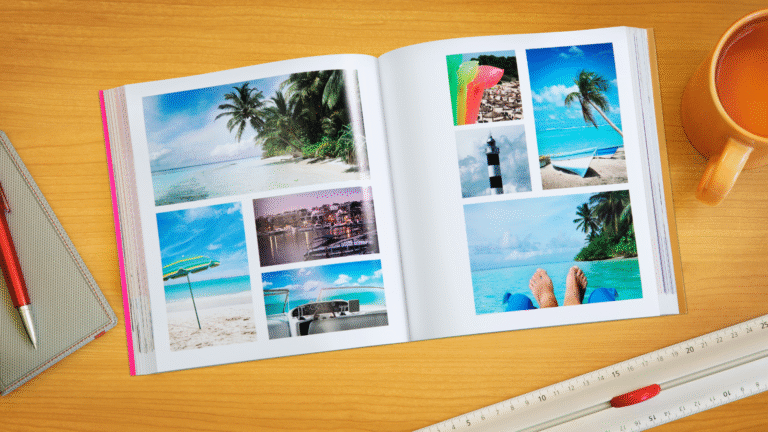
Sequencing Images for Photo Essays
Sequencing is essential in crafting a compelling photo essay. The order of images should guide the viewer through a journey, reflecting the traveler’s experiences. Starting with a wider context establishes the scene, then narrowing down to specific details.
Creating a narrative flow is crucial. A sequence can follow a chronological order or thematic organization. For instance, images depicting activities, landscapes, or local culture can be grouped to enhance correlation and context.
Transitions between images are equally important. A well-placed photo can act as a bridge, connecting different aspects of the story. This careful arrangement helps the audience grasp the overall narrative effortlessly.
Writing Captions to Enhance Narrative
Captions provide an opportunity to enrich the story behind each image. Descriptive captions can evoke emotions, providing context that the image alone may not convey. They help to tell the viewer what happened or why the moment matters.
Including facts, anecdotes, or thoughts can transform a simple photo into a connection point for the audience. It invites them to engage with the emotions and experiences captured in the image.
When possible, incorporating relevant quotes or reactions can add depth. These elements can elicit a stronger connection, turning a moment into a rich storytelling format.
Presenting Stories on Social Media
Social media platforms offer diverse ways to showcase travel photos. Tailoring the presentation to fit each platform’s characteristics maximizes engagement. For example, Instagram emphasizes visuals, making it ideal for impactful images combined with concise captions.
Using hashtags effectively can expand reach, helping others discover the travel story. Engaging with followers through comments or sharing personal insights encourages dialogue and community building.
Creating cohesive albums or stories ensures a narrative arc that guides the audience. Incorporating short video clips or behind-the-scenes shots can further enhance the storytelling aspect, offering a more comprehensive view of the travel experience.